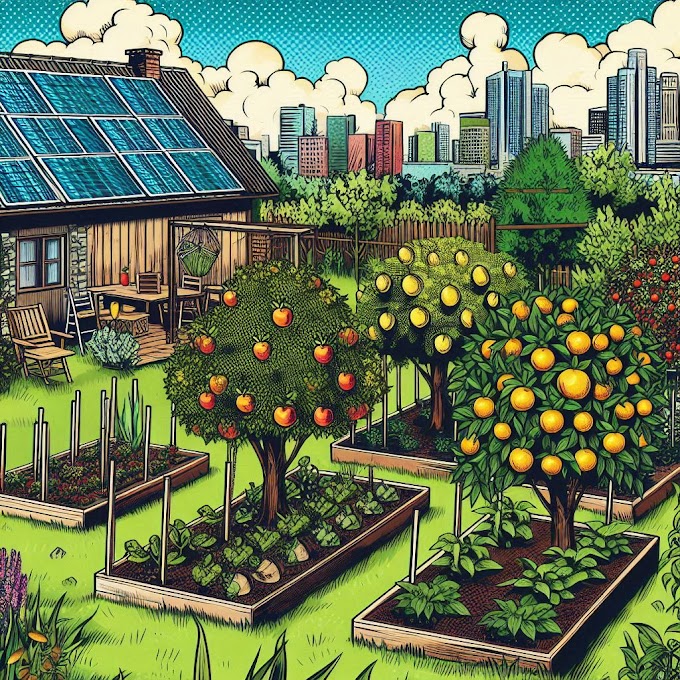
How to Plant, Grow, and Care for Grapefruit Trees 🍊
Big, bold, and beautifully tangy-sweet, grapefruit trees are a standout in any backyard orchard. With their glossy leaves, fragrant blossoms, and oversized fruit, they bring both visual impact and serious harvest potential.
If you’ve got the sunshine and a little patience, grapefruit trees will reward you with bountiful fruit and that classic citrus grove feel right at home.
🌿 Types of Grapefruit Trees to Grow
Choose a variety that fits your taste and space:
- Ruby Red Grapefruit: Sweet, juicy, and the most popular for fresh eating
- White Grapefruit: More tart and traditional in flavor
- Pink Grapefruit: A balanced mix of sweetness and tang
💡 Tip: Look for dwarf varieties if you’re growing in containers or smaller yards.
☀️ Best Growing Conditions
Grapefruit trees love warmth and full sun, think bright, open spaces:
- Sunlight: Full sun (6–8+ hours daily)
- Climate: USDA zones 9–11
- Temperature: Ideal range 65–85°F
- Soil: Well-draining, slightly acidic (pH 6.0–7.0)
⚠️ Grapefruit trees are sensitive to frost, protect them during cold snaps.
🌱 How to Plant Grapefruit Trees
In-Ground
- Choose a sunny location with plenty of space (these trees can get large).
- Dig a hole twice as wide as the root ball.
- Plant slightly above soil level to prevent waterlogging.
- Backfill with native soil and water deeply.
Containers
- Use a large, sturdy pot with drainage holes
- Choose a citrus potting mix
- Repot every 2–3 years as the tree grows
💧 Watering Needs
- Water deeply and less frequently to encourage strong roots
- Let the top layer of soil dry out between watering
- Increase watering during hot, dry periods
🚫 Avoid soggy soil, grapefruit trees hate “wet feet.”
🌼 Fertilizing for Strong Growth
Feed your tree regularly for healthy leaves and fruit:
- Use a citrus-specific fertilizer
- Apply every 6–8 weeks during the growing season
- Watch for yellow leaves (a sign of nutrient deficiency)
✂️ Pruning & Maintenance
- Remove dead or damaged branches
- Thin crowded areas for better airflow
- Prune lightly, grapefruit trees don’t need heavy shaping
Best time to prune: late winter or early spring.
🐝 Pollination & Fruit Production
Grapefruit trees are self-pollinating, so one tree can produce fruit.
- Bees help increase yields
- Expect fruit in 2–4 years for grafted trees
- Fruit takes longer to mature than most citrus, patience pays off
🍊 Harvesting Grapefruit
- Harvest when fruit is fully colored and slightly heavy for its size
- Taste-test for sweetness (they don’t continue ripening after picking)
- Fruit can stay on the tree for weeks, improving flavor
✨ Fun tip: The longer grapefruit stays on the tree, the sweeter it often becomes.
🐛 Common Pests & Problems
Keep an eye out for:
- Aphids
- Scale insects
- Spider mites
Natural solutions:
- Neem oil sprays
- Insecticidal soap
- Rinse leaves regularly to prevent buildup
🍊 How to Use Fresh Grapefruit
- Fresh slices for breakfast
- Juices and citrus blends
- Salads with greens and avocado
- Broiled grapefruit with a touch of honey
- Citrus marinades and dressings
🌿 Tips, Swaps & Growing Hacks
- Give it space: Grapefruit trees grow larger than other citrus
- Container option: Choose dwarf varieties for patios
- Cold protection: Cover trees or bring containers indoors during frost
- Mulch smartly: Keep mulch away from the trunk
- Boost sweetness: Allow fruit to ripen longer on the tree
- Heavy fruit support: Branches may need support when loaded
- Deep watering trick: Water slowly to reach deeper roots
- Wind protection: Plant near a fence or structure to reduce stress
🌼 Why Grow Grapefruit Trees?
Because they’re bold, abundant, and just a little dramatic, in the best way. A mature grapefruit tree dripping with fruit is one of those “wow, I grew that” moments every gardener should experience.