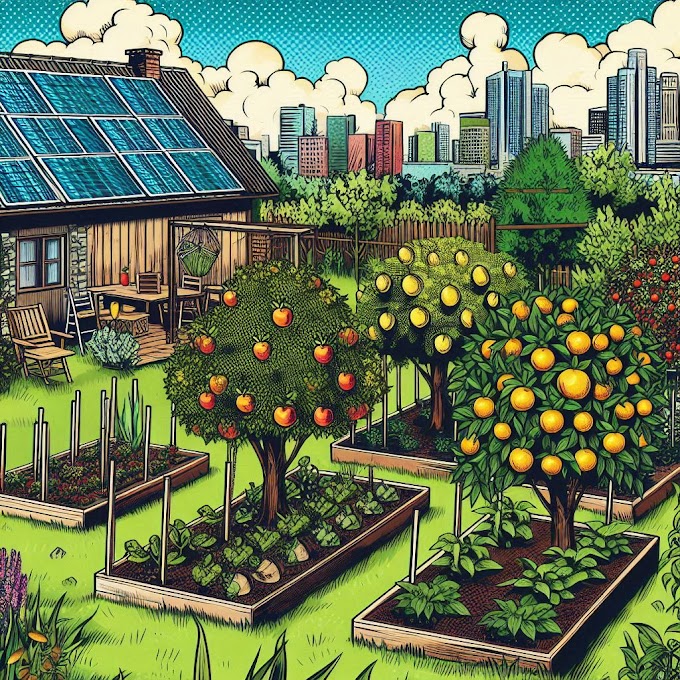
How to Grow and Care for Citrus Trees: A Complete Guide 🍊
Growing citrus trees at home is one of the most rewarding ways to bring fresh, flavorful food right to your backyard. From sweet oranges and zesty lemons to tangy limes and bold grapefruit, citrus trees offer year-round beauty, fragrant blossoms, and delicious harvests.
Whether you’re planting in the ground or growing in containers, this guide covers everything you need to grow healthy, productive citrus trees.
🌿 Why Grow Citrus Trees?
- Fresh, homegrown fruit
- Beautiful evergreen foliage
- Fragrant blooms that smell incredible
- Perfect for backyard orchards or patio containers
- Supports a more self-sufficient lifestyle
☀️ Best Growing Conditions for Citrus
Citrus trees thrive when their environment mimics a warm, sunny climate:
- Sunlight: Full sun (6–8+ hours daily)
- Climate: USDA zones 9–11 (or containers in cooler areas)
- Temperature: Ideal range 60–85°F
- Soil: Well-draining, slightly acidic (pH 6.0–7.0)
💡 Tip: In cooler climates, grow citrus in containers so you can move them indoors during winter.
🌱 Planting Citrus Trees
In-Ground
- Choose a sunny, well-drained location
- Dig a hole twice as wide as the root ball
- Plant slightly above soil level
- Backfill with native soil
- Water deeply to establish roots
Containers
- Use a large pot with drainage holes
- Choose a citrus-specific potting mix
- Repot every 2–3 years as the tree grows
💧 Watering Citrus Trees
- Water deeply but infrequently
- Allow the top few inches of soil to dry between watering
- Young trees need more consistent moisture
- Mature trees are more drought-tolerant
🚫 Avoid overwatering, citrus roots are sensitive to soggy soil.
🌼 Fertilizing for Healthy Growth
Citrus trees are heavy feeders and need regular nutrients:
- Use a balanced citrus fertilizer
- Feed every 6–8 weeks during the growing season
- Reduce feeding in winter
Watch for nutrient deficiencies like yellowing leaves, which may indicate a need for nitrogen, magnesium, or iron.
✂️ Pruning & Maintenance
- Remove dead or damaged branches
- Improve airflow by thinning crowded areas
- Shape lightly, citrus doesn’t require heavy pruning
Best time to prune: late winter or early spring
🐝 Pollination & Fruit Production
Most citrus trees are self-pollinating, meaning:
- One tree can produce fruit
- Bees and pollinators increase yield
- Grafted trees produce fruit faster (usually 2–3 years)
🍊 Harvesting Citrus
- Harvest when fruit is fully colored and slightly soft
- Taste-test for ripeness
- Citrus does not ripen further after picking
✨ Tip: Some citrus (like oranges) may stay slightly green even when ripe in warm climates.
🐛 Common Citrus Pests & Problems
Watch for:
- Aphids
- Spider mites
- Scale insects
Natural solutions:
- Neem oil
- Insecticidal soap
- Rinse leaves regularly
🌿 Container Citrus Care
Perfect for patios and small spaces:
- Choose dwarf varieties
- Move indoors during cold weather
- Place near bright, sunny windows
- Rotate pots for even growth
❄️ Cold Protection Tips
- Cover trees during frost
- Bring container plants indoors
- Use mulch to insulate roots
- Plant near walls or fences for warmth
🍊 Popular Citrus Trees to Grow
Build your backyard citrus collection with:
- Oranges (like Valencia)
- Limes (Key or Persian)
- Grapefruit (Ruby Red or Pink)
- Lemons and mandarins
🍊 How to Use Your Citrus Harvest
- Fresh juices and drinks
- Cooking and baking
- Preserves and marmalades
- Salad dressings and marinades
- Zest for flavor-packed recipes
🌿 Tips, Swaps & Citrus Growing Hacks
- Mulch smartly: Keep mulch a few inches away from the trunk
- Deep watering: Encourages strong root systems
- Boost flavor: Slightly reduce watering before harvest
- Watch leaves: Yellowing often signals nutrient issues
- Support branches: Heavy fruit can weigh them down
- Companion plants: Herbs like basil and thyme attract pollinators
- Rotate containers: Helps trees grow evenly
- Start small: Dwarf trees are easier for beginners
🌼
Growing citrus trees is a long-term investment that pays off in beauty, flavor, and that unbeatable feeling of picking fruit from your own backyard. With the right care, your citrus trees will thrive for years, becoming a vibrant, productive part of your home garden.