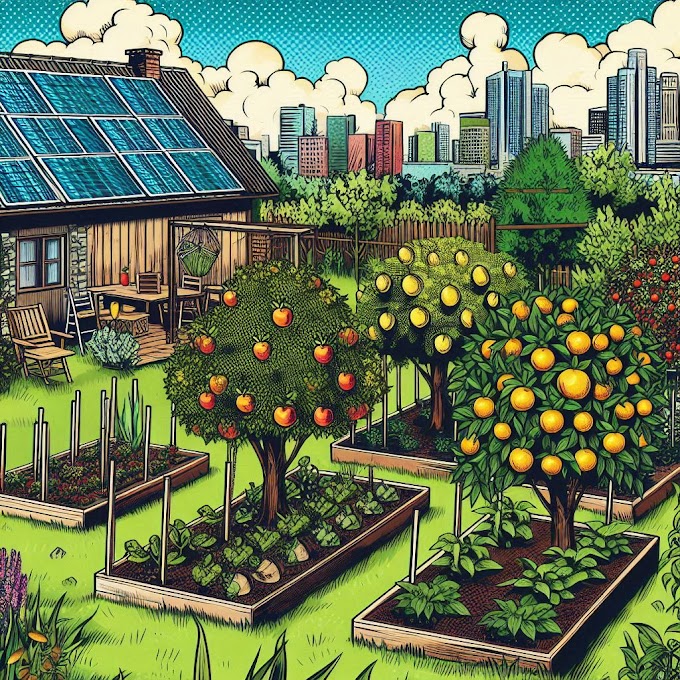
How to Create a Butterfly Friendly Garden: Attract Beautiful Pollinators to Your Yard
A butterfly friendly garden is all about food, shelter, and safe space. If you get those three right, butterflies will show up and actually stay.
You’re not just decorating a yard here, you’re building a tiny ecosystem.
🦋 Step 1: Understand What Butterflies Actually Need
Butterflies need three things:
- Nectar (adult food)
- Host plants (caterpillar food)
- Shelter and safety
Most gardens only provide nectar. The magic happens when you include all three.
🌸 Step 2: Plant Nectar Rich Flowers
These are your “open buffet” plants for adult butterflies.
Great options include:
- Milkweed varieties
- Coneflowers
- Lantana
- Zinnias
- Salvia
- Black-eyed Susans
Plant in clusters, butterflies prefer grouped color, not scattered singles.
🐛 Step 3: Add Host Plants (This Is the Secret)
Host plants are where butterflies lay eggs and caterpillars feed.
Examples:
- Milkweed → Monarch butterflies
- Parsley, dill, fennel → Swallowtails
- Passionflower → Gulf fritillary
Without host plants, you’ll get butterflies visiting… but not staying.
🌿 Step 4: Create Layers of Habitat
Think like nature, not landscaping.
Include:
- Tall plants or shrubs for shelter
- Mid-height flowering plants for feeding
- Low groundcover for protection
This gives butterflies places to rest, hide, and complete their life cycle.
☀️ Step 5: Choose the Right Sun Conditions
Butterflies are sun lovers:
- Full sun is ideal (6+ hours)
- Warm, open areas attract more activity
Shady corners can still work, but sunlit patches are where the action happens.
💧 Step 6: Provide Water (Yes, They Drink Too)
Butterflies don’t drink from deep water sources.
Try:
- Shallow dishes with pebbles
- Damp sand patches (“puddling stations”)
- Low garden stones that stay slightly moist
They need safe landing zones, not puddles they can fall into.
🚫 Step 7: Avoid Pesticides Completely
This is non-negotiable.
Even “natural” sprays can:
- Kill caterpillars
- Disrupt reproduction
- Push butterflies away permanently
If you want butterflies, you have to let go of chemical control.
🌼 Step 8: Stagger Bloom Times
Butterflies need food all season.
Plan for:
- Early bloomers
- Mid-season flowers
- Late-season nectar sources
A continuous bloom cycle keeps your garden active from spring through fall.
🪴 Step 9: Plant in Clusters, Not Singles
Butterflies navigate by color and density.
Instead of:
- One plant here, one there
Do:
- Big patches of the same flower
It looks better and works better.
🦋 Step 10: Let a Little Wildness Stay
Perfect gardens don’t support butterflies well.
Allow:
- Slightly messy edges
- Some leaf litter
- Natural plant movement
Butterflies prefer safe, natural-feeling spaces over overly controlled ones.
⚠️ Common Mistakes
- Only planting nectar flowers (no host plants)
- Using pesticides or insecticidal soap
- Over-trimming everything
- Not enough sun exposure
✨ What Success Looks Like
A real butterfly garden feels like:
- Constant soft movement
- Color that shifts through the season
- Occasional caterpillars (good sign, not a problem)
- A space that feels alive, not staged
🌙 Crunchy Take
A butterfly garden isn’t about control, it’s about participation. You’re not “decorating” nature… you’re inviting it in and letting it run the show a little.