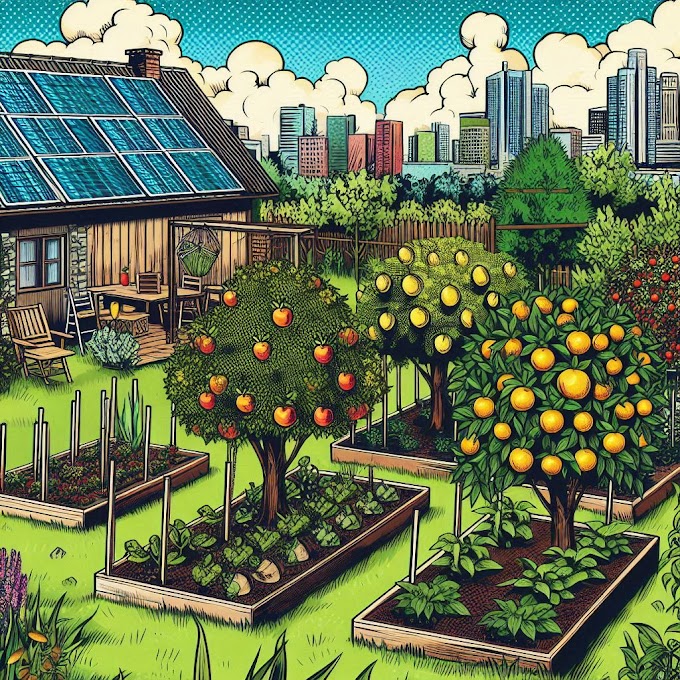
How to Create a Sustainable Outdoor Oasis with Native Plants
Creating a sustainable outdoor oasis isn’t about perfection - it’s about working with your environment instead of constantly fighting it. Using native plants means less maintenance, less water, and a space that actually supports local wildlife.
This is where beauty meets function in the best way.
🌿 What Are Native Plants (And Why They Matter)
Native plants are species that naturally grow in your region and have adapted over time to:
- Local climate
- Soil conditions
- Rainfall patterns
- Native insects and wildlife
Because of that, they:
- Need less water
- Require fewer fertilizers
- Are more resistant to pests and disease
And most importantly… they make your space feel like it belongs there.
🌱 Step 1: Understand Your Growing Conditions
Before planting anything, figure out your environment:
Light
- Full sun (6–8+ hours)
- Partial shade
- Full shade
Soil
- Sandy
- Clay
- Loamy
- Well-draining vs moisture-retentive
Climate Type (Use This Instead of Location)
- Cold / frost-heavy
- Temperate
- Hot / dry
- Humid / subtropical
- Tropical
This determines everything from plant choice to watering needs.
🌿 Step 2: Choose the Right Native Plants
Instead of copying someone else’s garden, build from your region’s ecosystem.
Look for:
- Native grasses
- Flowering perennials
- Shrubs
- Groundcovers
Mixing layers creates a natural, full look instead of something flat and lifeless.
🌸 Design Tip: Think in Layers
A true “oasis” has depth:
- Tall layer → shrubs or small trees
- Mid layer → flowering plants
- Low layer → groundcovers
This mimics how plants grow in nature and makes your space feel lush and intentional.
💧 Step 3: Water Smarter, Not More
Once established, native plants usually need far less water.
To make your space even more sustainable:
- Use mulch to retain moisture
- Water deeply but less often
- Group plants with similar water needs
This reduces waste and keeps plants healthier.
🐝 Step 4: Support Pollinators & Wildlife
A real oasis supports life, not just aesthetics.
Include:
- Nectar-rich flowers
- Plants that bloom at different times
- Shelter areas (shrubs, grasses)
This invites bees, butterflies, and birds naturally.
🌿 Step 5: Ditch the High Maintenance Mindset
Sustainable gardens are not overly controlled.
Instead:
- Let plants fill in naturally
- Accept a little wildness
- Prune with intention, not obsession
Less work, better results.
🪴 Step 6: Add Functional Elements
Make your space usable and inviting:
- Seating areas
- Pathways (gravel, stepping stones)
- Raised beds or borders
- Shade structures
This turns a garden into a true outdoor living space.
🌾 Step 7: Improve Soil Naturally
Healthy soil = thriving plants.
- Add compost regularly
- Leave some leaf litter (natural mulch)
- Avoid over-tilling
Let the ecosystem build itself over time.
⚠️ Common Mistakes
- Planting non-native species that need constant care
- Overwatering “just in case”
- Trying to make everything look overly neat
- Ignoring plant spacing (crowding leads to problems)
✨ What Makes It an “Oasis”
It’s not just plants. It’s how it feels:
- Calm
- Lush but breathable
- Alive with movement (bees, wind, leaves)
- Low effort to maintain
That’s the goal.
🌙 Crunchy Take
A sustainable outdoor oasis isn’t built overnight. It’s layered, intentional, and evolves over time. The more you let nature do its thing, the better it gets.